

Industry Related News July 2026:
Artificial intelligence, electric vehicles, aerospace systems, and next-generation electronics all have one thing in common: they’re generating more heat than ever before. According to a recent article from the Thermal Management Expo, five major trends—including liquid cooling, advanced semiconductor packaging, stricter battery safety regulations, and new thermal interface materials—are reshaping how engineers manage heat in modern products. While these innovations promise greater performance and efficiency, they also create an equally important challenge: proving these technologies can withstand real-world operating conditions before they reach the field.
As thermal management systems become more sophisticated, thermal testing is no longer just part of quality assurance—it’s becoming a fundamental step in product development.
Innovation Demands Validation
One of the report’s biggest takeaways is that cooling technologies are becoming integrated directly into product architecture. Liquid cooling is moving from specialized applications into mainstream AI data centers, while chip manufacturers are embedding microfluidic cooling channels directly into semiconductor packages. Battery systems are incorporating new phase-change materials alongside liquid cooling circuits, and advanced materials like graphene are becoming more common in thermal interface applications.
Each of these innovations introduces new variables that engineers must understand. How does a new thermal interface material perform after thousands of heating and cooling cycles? Will a liquid-cooled electronic assembly continue to operate after repeated temperature fluctuations? Can a battery pack maintain safe operating temperatures after years of thermal expansion and contraction?
These are questions that cannot be answered through design alone.
Why Thermal Cycling Matters
Real-world products rarely experience a constant temperature. Instead, they repeatedly heat up during operation and cool down when idle. Over time, these thermal cycles create expansion and contraction within materials, solder joints, adhesives, seals, and mechanical assemblies. Even small differences in expansion rates between materials can eventually lead to cracks, delamination, leaks, or premature component failure.
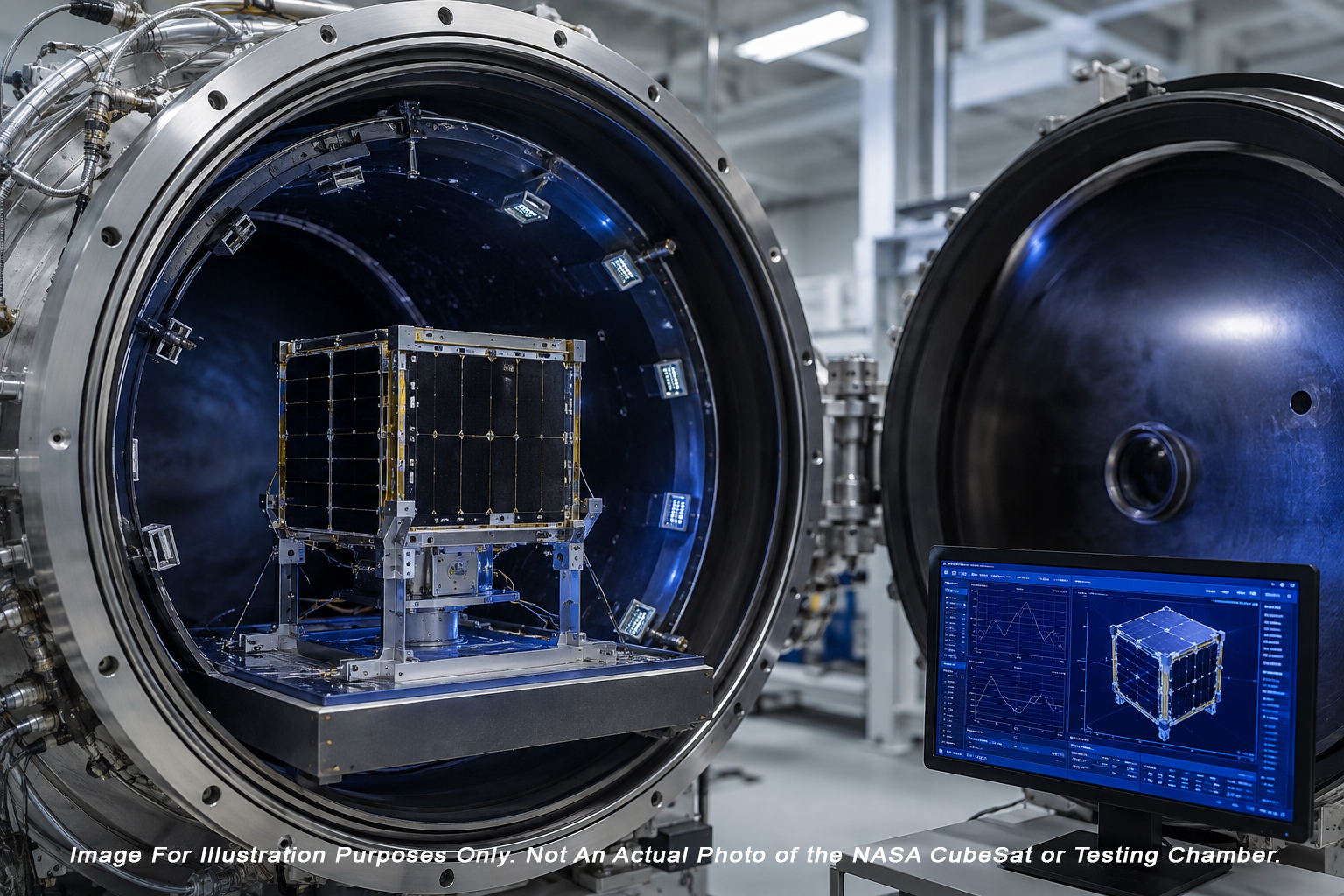
Thermal cycling systems accelerate these conditions in a controlled laboratory environment. By exposing products to hundreds or thousands of temperature transitions, engineers can identify weaknesses long before equipment reaches customers. Rather than waiting years to discover reliability issues in the field, manufacturers can uncover potential failures during development, saving both time and significant warranty costs.
AI, EVs, and Aerospace Raise the Stakes
The report also highlights how artificial intelligence and electrified transportation are rapidly increasing thermal demands. AI hardware is pushing beyond the limits of traditional air cooling, while silicon carbide (SiC) and gallium nitride (GaN) power devices allow electronics to operate at higher temperatures than conventional silicon. At the same time, new international regulations are making thermal runaway testing mandatory for future electric vehicle battery systems.
These trends place greater emphasis on environmental testing than ever before.
Manufacturers must now validate not only whether their products perform under ideal conditions, but also whether they remain reliable after repeated exposure to extreme temperatures, rapid thermal transitions, and long-term thermal fatigue. As operating temperatures rise and systems become more compact, the margin for error becomes increasingly small.
Looking Ahead
The future of thermal management isn’t simply about developing better cooling systems—it’s about proving those systems will continue to perform throughout the life of the product. Whether designing AI servers, aerospace electronics, electric vehicle batteries, or industrial equipment, manufacturers need confidence that innovative thermal solutions will remain reliable under demanding conditions.
As the Thermal Management Expo’s 2026 trends make clear, heat is becoming one of engineering’s greatest challenges. That reality makes thermal testing and thermal cycling systems more valuable than ever, providing the data manufacturers need to validate performance, improve reliability, and bring innovative products to market with confidence.
Citation:
5 Biggest Trends in Thermal Management in 2026.” Thermal Management Expo, 2026, https://www.thermalmanagementexpo.com/industry-insights/blog-posts/5-biggest-trends-in-2026
ABOUT KHOURY INDUSTRIES
Khoury Industries is a worldwide leader in temperature testing equipment for device characterization, thermal cycling equipment, and failure analysis. Khoury Industries designs and manufactures custom thermal chambers and microwave thermal testing fixtures used in a variety of industries including: military, space, automotive, medical, research, and communication fields. The Khoury Box and the patented ELI-1000 have quickly become industry favorites as thermal testing devices used to ensure the reliability of industrial and electronic products through prolonged exposure to extreme conditions.
For more information, contact:
Penny Aicardi
Khoury Industries
5 Mechanic Street
Bellingham, MA 02019
sales@khouryindustries.com