
News

News2023-05-19T18:49:05+00:00

Why NASA’s Heat-Shield Testing Is Critical to Keeping Artemis II Astronauts Safe

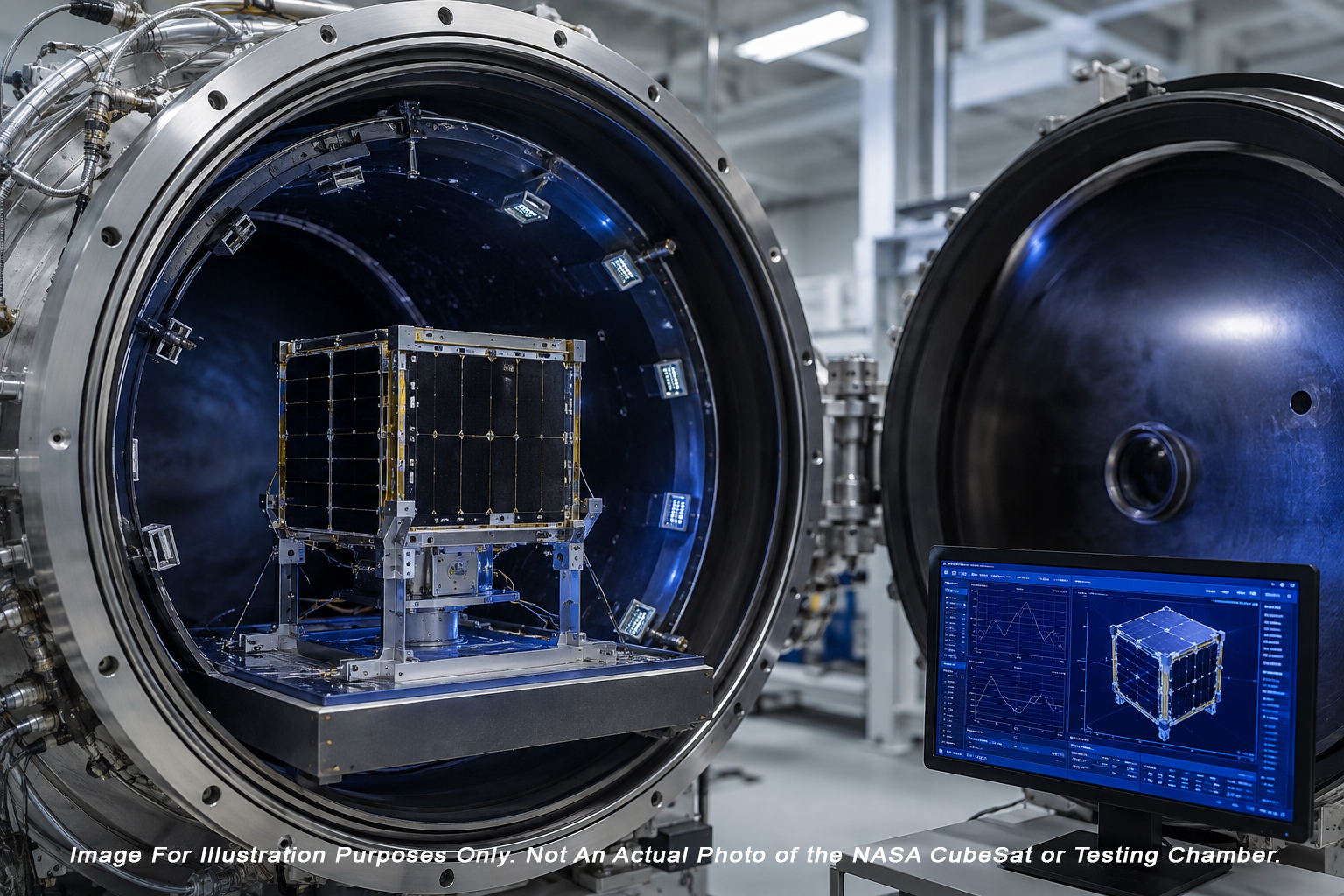
Satellite Thermal Test Chamber

Industry Related News March 2026: 

NASA’s Artemis II mission, set to launch astronauts around the Moon, has drawn particular attention to the thermal protection system on the Orion spacecraft, especially the heat shield that protects the crew module during reentry. This heat shield uses AVCOAT ablative material, which is designed to absorb and carry heat away as it erodes during the intense atmospheric return phase. After the uncrewed Artemis I flight, post-flight inspections revealed unexpected charring and material loss on the heat shield, prompting NASA engineers to analyze the thermal performance of the shield in more detail and reassess their confidence in its ability to protect astronauts on Artemis II.

To address these concerns, NASA has conducted thermal analyses, simulations, and additional testing of the shield material and reentry conditions, combining ground-based heat-flux testing with reentry-trajectory modeling to evaluate how the shield responds to the intense thermal environment. Rather than replacing the shield entirely, NASA adjusted the planned reentry trajectory to a steeper angle — a change that reduces the total heating exposure time on the shield material. Engineers argue that this modification, backed by their thermal modeling and tests, will keep the capsule’s peak temperatures and ablation within safe limits, protecting both structure and crew.

NASA and the Artemis II astronauts have publicly expressed confidence in the shield’s performance based on this body of thermal testing and analysis, even as some critics have argued that the unexpected erosion seen on the Orion heat shield during Artemis I underlines the inherent risks of reentry heat loading at lunar-return velocities. NASA’s review and test programs aimed to ensure that the shield’s thermal protection margins are sufficient for the upcoming crewed mission while continuing to refine future heat-shield designs for Artemis III and beyond.

Citation: Hildebrandt, Cortney.“Artemis II Astronauts: NASA Confident in SLS Moon Launch, Heat Shield Performance.”Florida Today, 30 Mar. 2026, https://www.floridatoday.com/story/tech/science/space/2026/03/30/artemis-ii-astronauts-nasa-confident-sls-moon-launch-in-orion-spacecraft-heat-shield/89321939007/

ABOUT KHOURY INDUSTRIES

Khoury Industries is a worldwide leader in temperature testing equipment for device characterization, thermal cycling equipment, and failure analysis. Khoury Industries designs and manufactures custom thermal chambers and microwave thermal testing fixtures used in a variety of industries including: military, space, automotive, medical, research, and communication fields. The Khoury Box and the patented ELI-1000 have quickly become industry favorites as thermal testing devices used to ensure the reliability of industrial and electronic products through prolonged exposure to extreme conditions.

For more information, contact:

Penny Aicardi
Khoury Industries
5 Mechanic Street
Bellingham, MA 02019
sales@khouryindustries.com

Our Thermal Testing & Cycling Devices

ELI-1000 Remote Thermal Testing

ELI-1000

A Remote, Compact Testing Solution

This revolutionary system combines a thermal source and custom or standard chamber into one system. The interchangeable chamber feature of the ELI-1000 allows users to easily accommodate their varying industry needs. The patented technology in the ELI-1000 allows for a steady state operation with a heating/cooling system that can be operated and controlled independently of each other.

Khoury Box - Microwave Thermal Testing

Khoury Box

RF, Microwave Thermal testing

Controlling temperature with precision at the device case is a major benefit of the Khoury Box thermal test fixture. The DUT is isolated in a localized enclosure (at temperature) with the thermal air circulated around the device under test or DUT. Tester interface utilizes impedance-matched connections to ensure true and accurate test signals between the tester, the thermal test fixture, and the DUT.

Go to Top